About CSS
A center for seeing, sounding, and representing differently.
The Center for Sight and Sound is a cross between an academic center and a consulting partner with a growing media literacy library. CSS helps educators, institutions, and media makers examine how images and sound shape perception, identity, belonging, and power.
Our approach
CSS treats televisual imagery as a cross-platform grammar. We analyze representation across text, audience, and institution while helping people make better, more responsible media.
CSS commitments
- Critical without moralizing
- Pedagogical and deployable
- People-centered and globally aware
- Built for classrooms and production spaces
Representation and Shadow
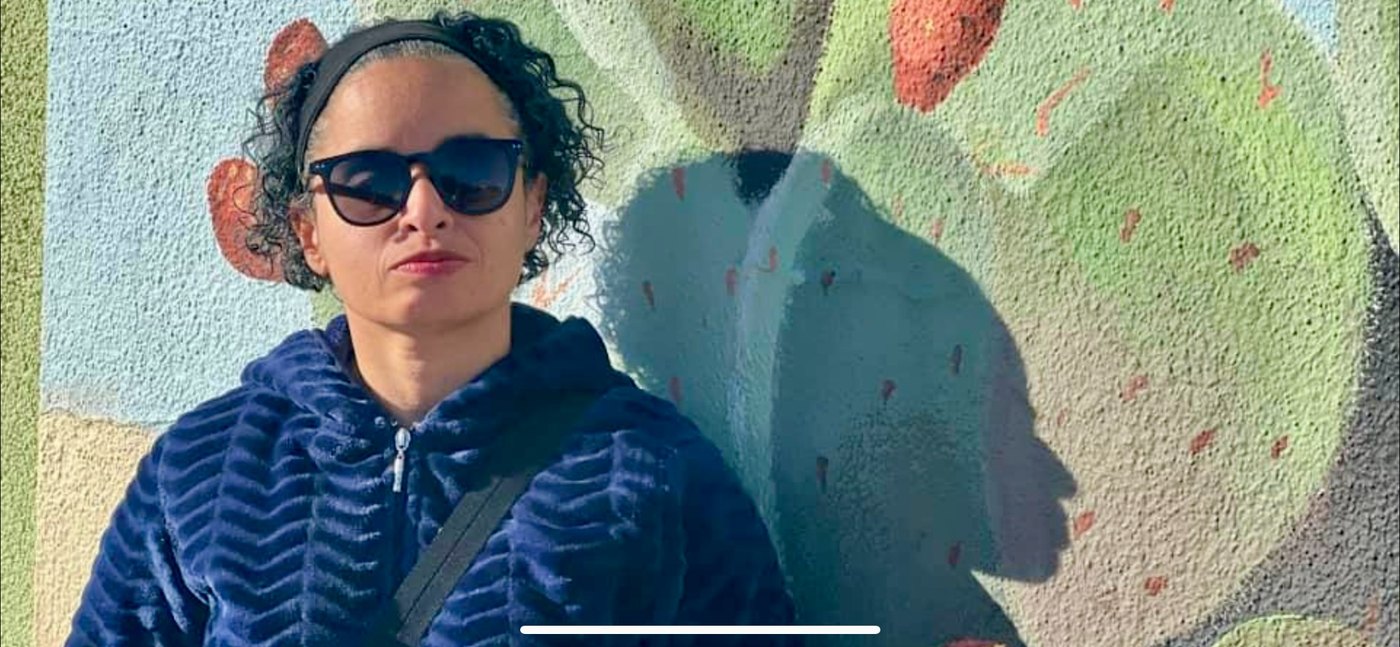
We are read through images before we are known through experience.
CSS examines how identity is visually interpreted, projected, and sometimes misrecognized. The shadow in this image becomes more than a formal accident. It suggests how perception often carries histories, assumptions, and cultural scripts that attach themselves to bodies before any real encounter begins.
How media shapes opportunity
Images do not stay on screen.
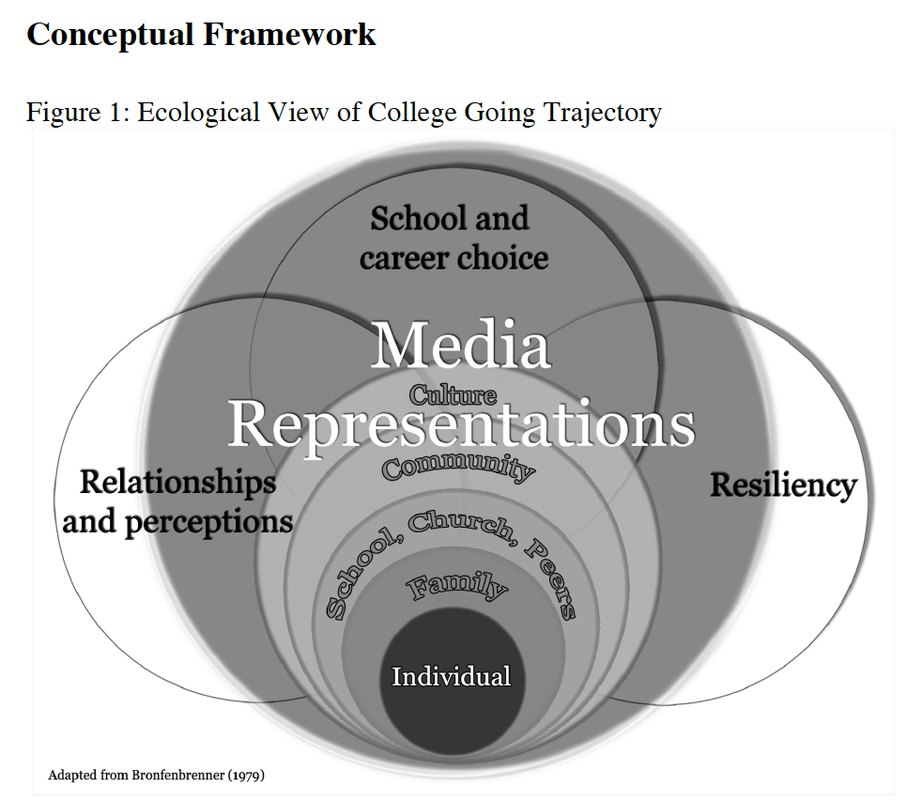
Media representations circulate through families, schools, campuses, communities, and professional spaces. They help shape what people imagine for themselves and what others imagine about them. CSS teaches users to identify those representational pathways and intervene with better analysis, better teaching, and better production.
Listen
The fact that you only see...
A short audio reflection on how repeated images narrow the public imagination and shape what audiences expect to see.